




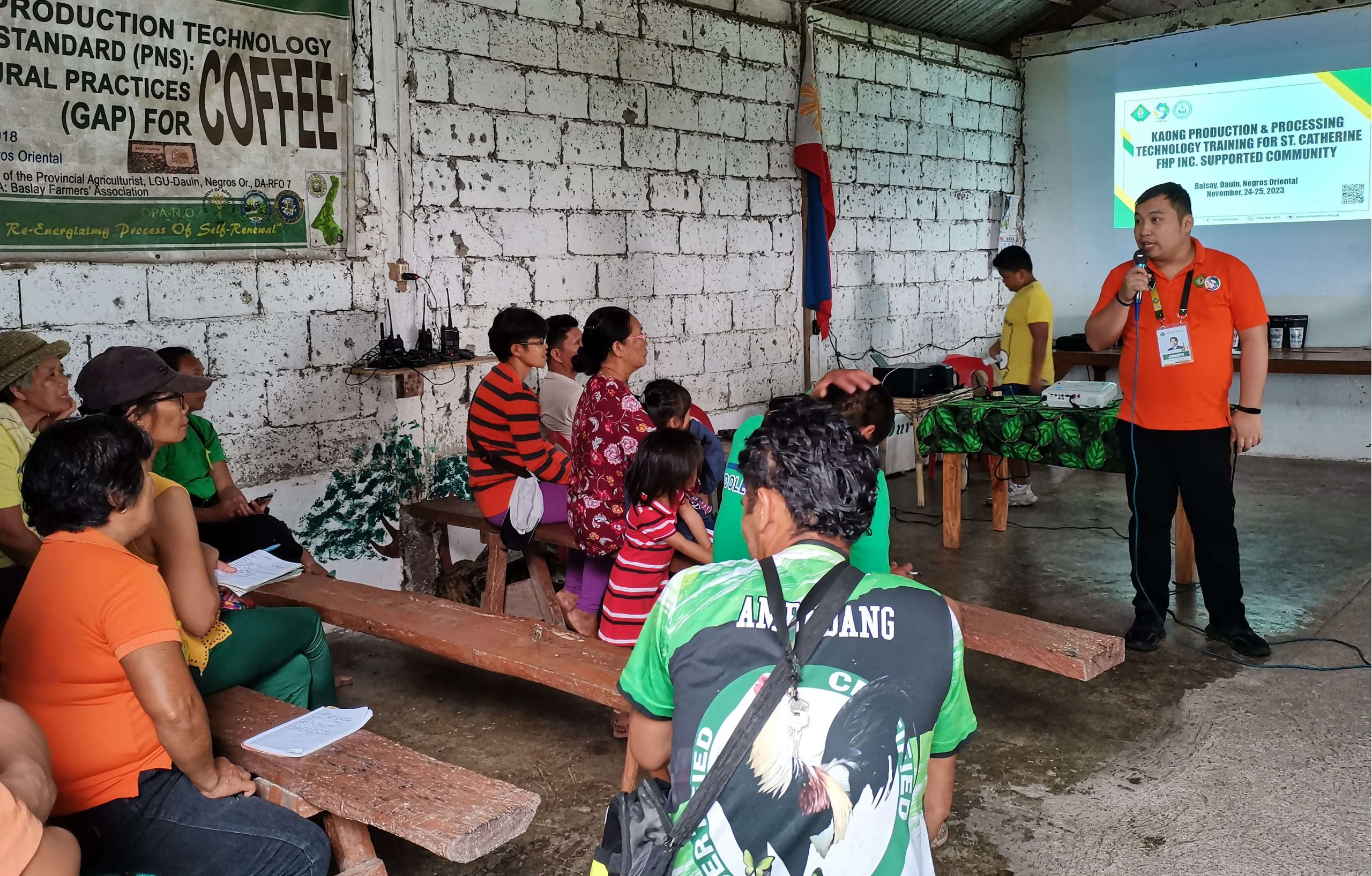
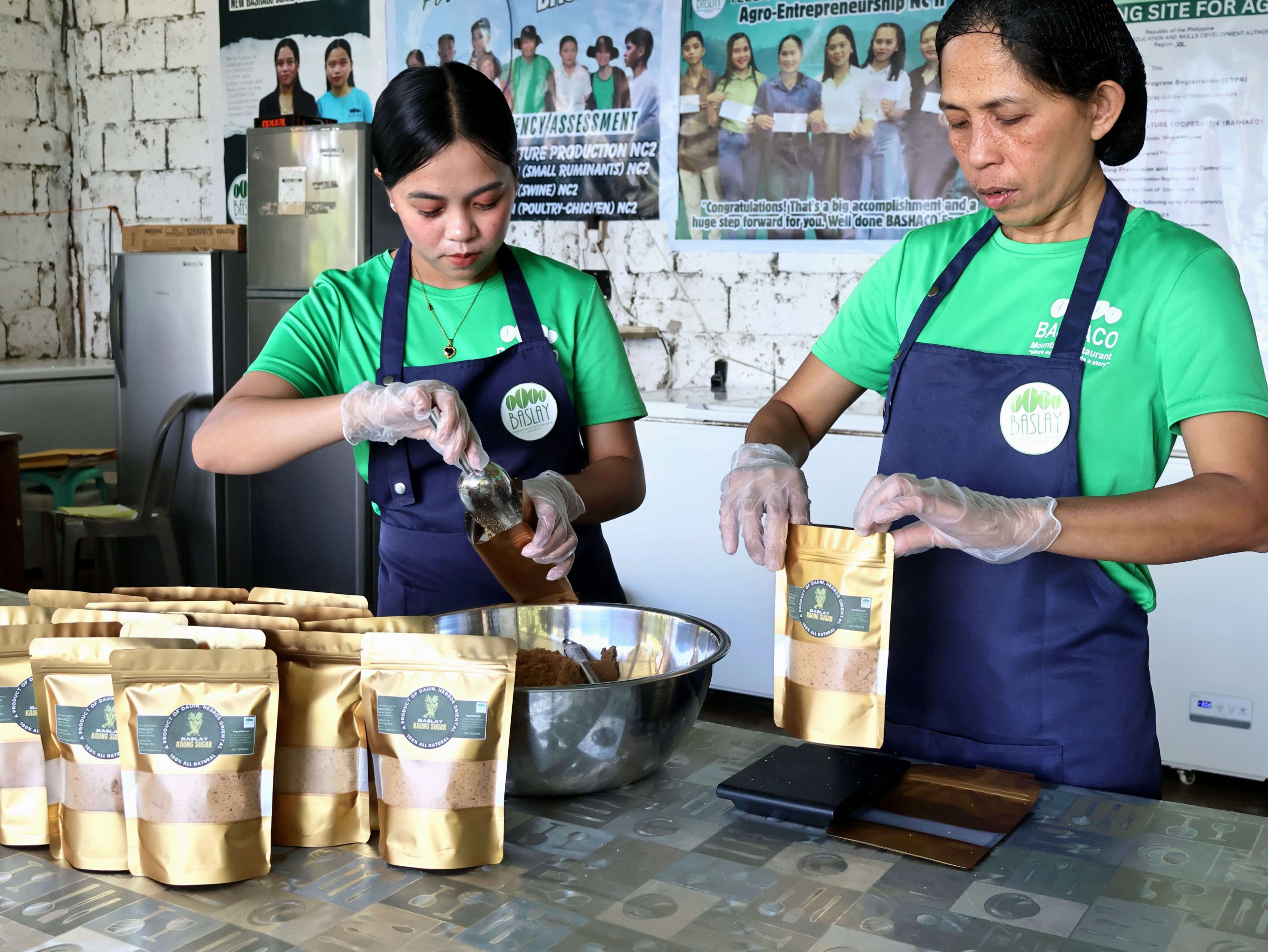
The photo captures the Kaong sugar processing training conducted for selected members of the Baslay Highland Agriculture Cooperative (BASHACO). The activity was facilitated by the Sugar Palm Research, Information, and Trade (SPRINT) Center of the Cavite State University (CvSU), a partner institution of St. Catherine FHPI.
The training aimed to enhance the technical knowledge and practical skills of cooperative members in kaong production and processing, ensuring improved product quality, food safety standards, and value addition. Through this capacity-building initiative, BASHACO members are better equipped to strengthen their enterprise operations, increase income by harnessing non-timber products of their 487ha community-based forest management area.


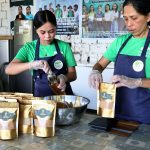
The photo highlights the hands-on Spanish sardines processing training conducted with the valuable assistance of the Dipolog School of Fisheries. Selected participants from St. Catherine FHPI partner coastal communities actively engaged in proper preparation, handling, and bottling techniques while observing food safety and quality standards.
Through this technical support, participants enhanced their skills in value-adding fishery products, enabling them to improve product quality, ensure market readiness, and create sustainable livelihood opportunities. The collaboration reflects a strong commitment to empowering coastal communities through capacity-building and enterprise development.
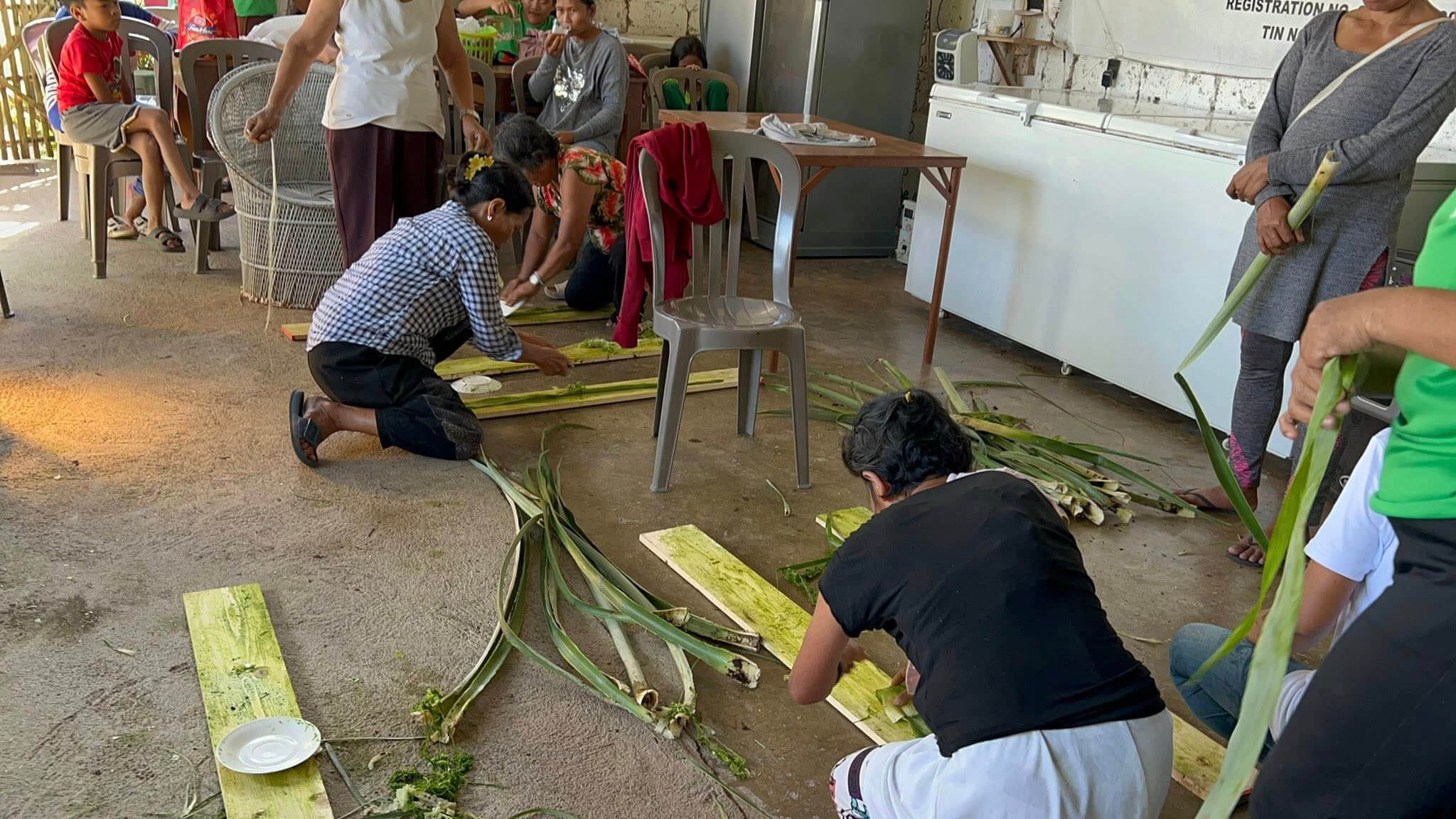

Women members of the Baslay Highland Agriculture Cooperative (BASHACO) learning the proper extraction of piña fiber from native pineapple leaves—an essential step in reviving their traditional weaving heritage. Carefully scraping and preparing the fibers by hand, they demonstrate patience, skill, and dedication to preserving a craft passed down by their parents and grandparents.
Supported by St. Catherine FHPI, this initiative aims to restore and strengthen indigenous piña weaving technology as both a cultural legacy and a sustainable livelihood opportunity. By reclaiming this traditional knowledge, the women are not only preserving their community’s identity but also creating pathways for economic empowerment rooted in heritage and craftsmanship.
