Vegetable_garden
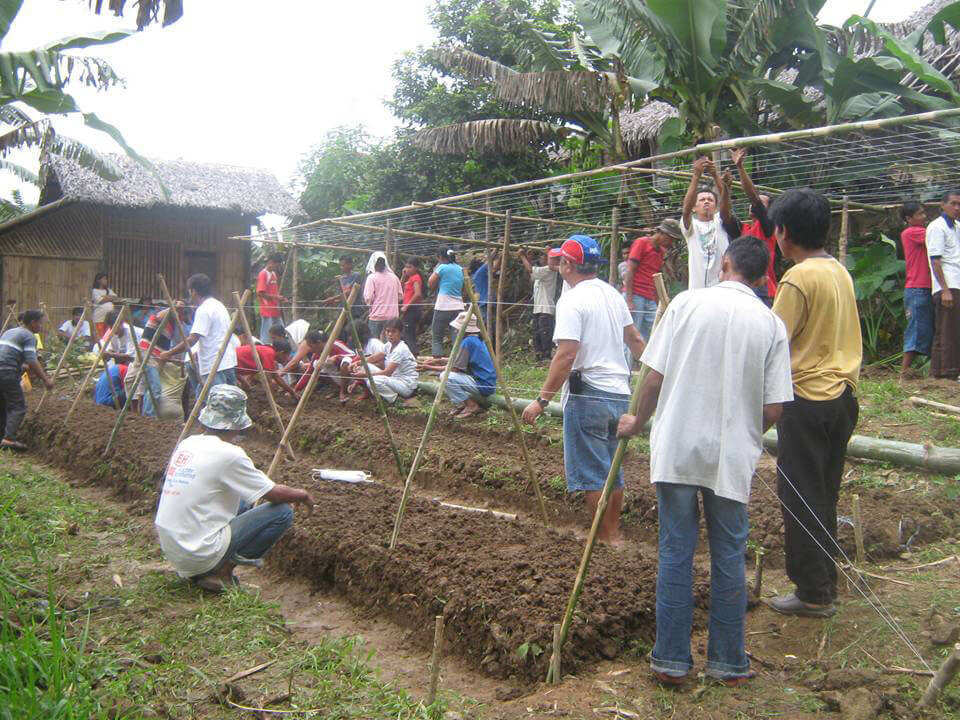
This vegetable garden established in the agrarian reform community showcases the use of native vegetable varieties cultivated through organic agriculture technologies. By promoting traditional crops and sustainable farming practices, the initiative helps farmers produce healthy and chemical-free food while reducing production costs. More importantly, it strengthens the capacity of agrarian reform beneficiaries to maximize the productivity of their land, improve household nutrition, and generate additional income from the sale of surplus produce.

Tinigib
St. Catherine FHPI encourages farmers to plant the native corn variety known as Tinigib, an heirloom crop that has long been cultivated by local farming communities. This traditional variety is naturally pest-resistant and well adapted to local soil and climate conditions, making it easier and less costly for farmers to grow thus, it helps farmers reduce expenses while maintaining reliable yields. By promoting this resilient and culturally valued crop, our partner communities support sustainable agriculture, preserves indigenous seed varieties, and helps farmers improve their income and food security.
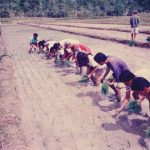
Sulonggon
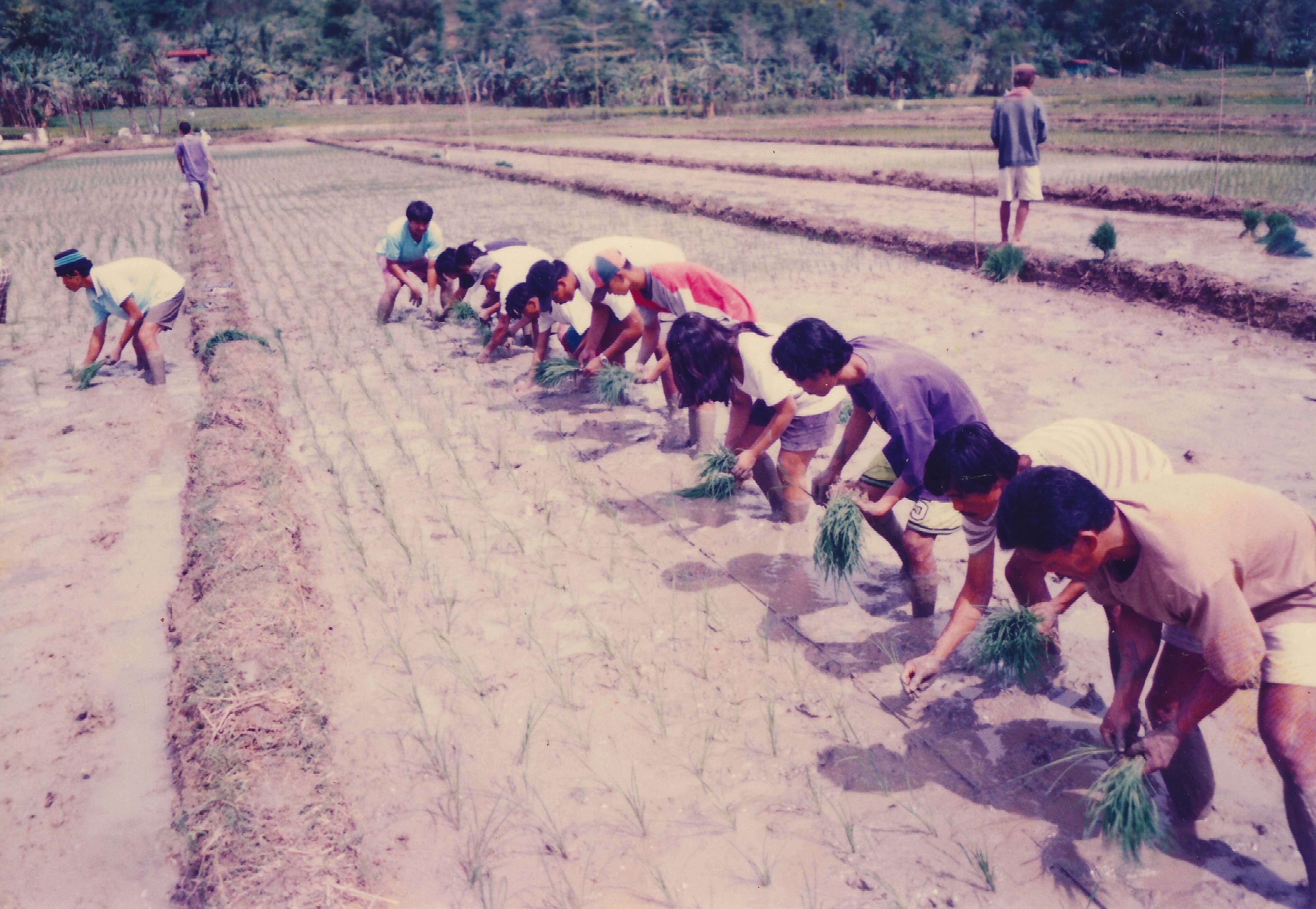
Communal community work plays a vital role in farm development as it allows farmers to share labor, reduce individual production costs, and accomplish farming tasks more efficiently. By working together in land preparation, planting, and other farm activities, farmers are able to lessen the need for hired labor while ensuring that work is completed on time. More importantly, this collective effort strengthens mutual support, trust, and solidarity among community members, fostering a stronger sense of cooperation and cohesiveness that benefits both agricultural productivity and community well-being.


Manghulyawon
Shifting from sugarcane farming to higher-value crops such as vegetables and mongo (mung bean) can help farmers increase their family income and make better use of their land. Unlike sugarcane, which has a long growing period and delayed returns, crops like mongo mature faster and can be harvested more frequently, providing quicker income for farming households. In addition, mongo helps improve soil fertility by naturally adding nitrogen to the soil, reducing the need for chemical fertilizers. This shift not only enhances farm productivity but also strengthens farmers’ food security and economic resilience.

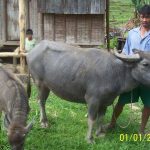
We Give Proj Monitoring Feb4-5, 2012 013
St. Catherine FHPI supports farmers in acquiring draft animals to assist in land cultivation. Having their own draft animals enables farmers to prepare their fields more efficiently while reducing the cost of hiring animal power during planting seasons. This support not only lowers production expenses but also allows farmers to cultivate a larger area of their land, ultimately improving farm productivity and increasing their income.